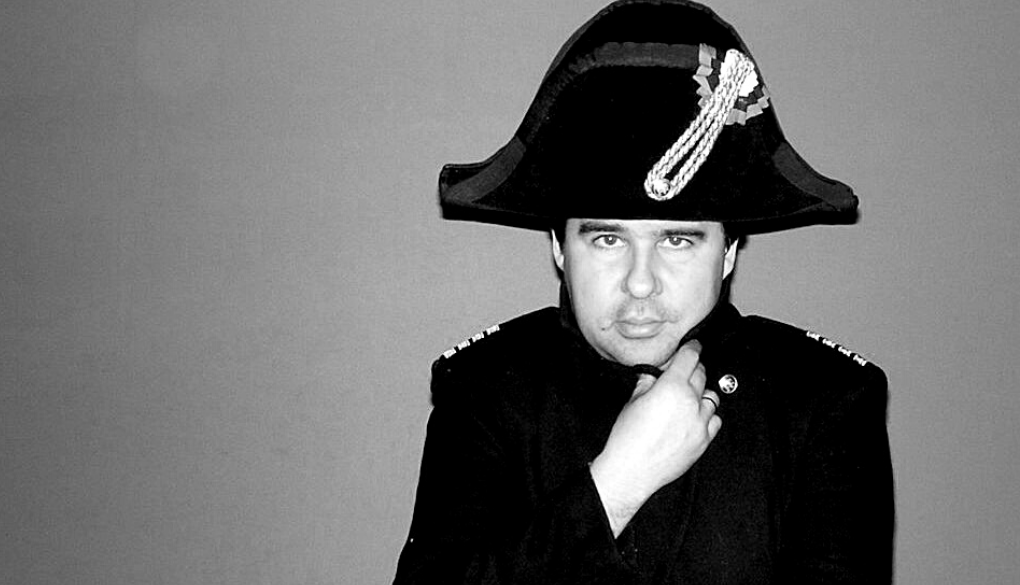
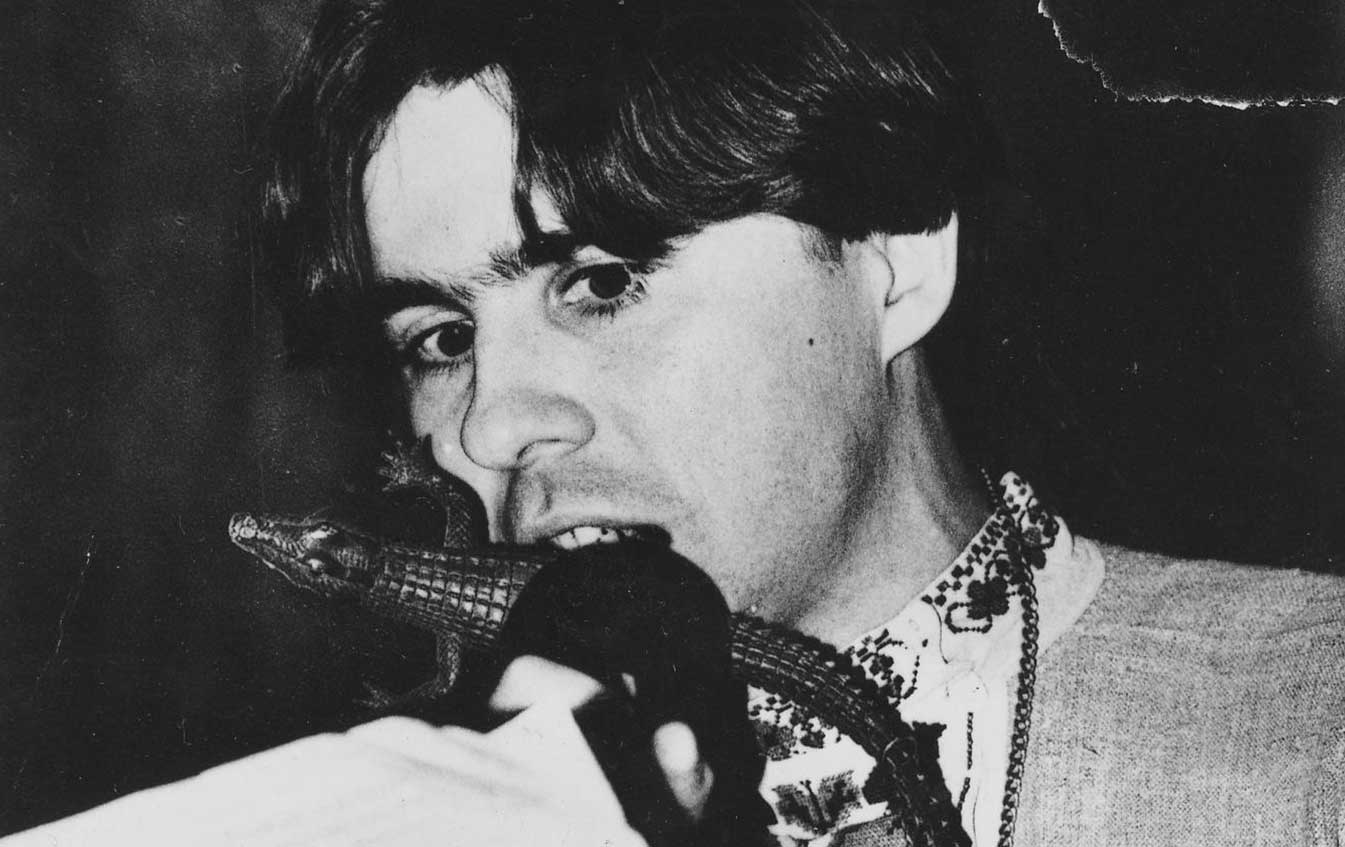
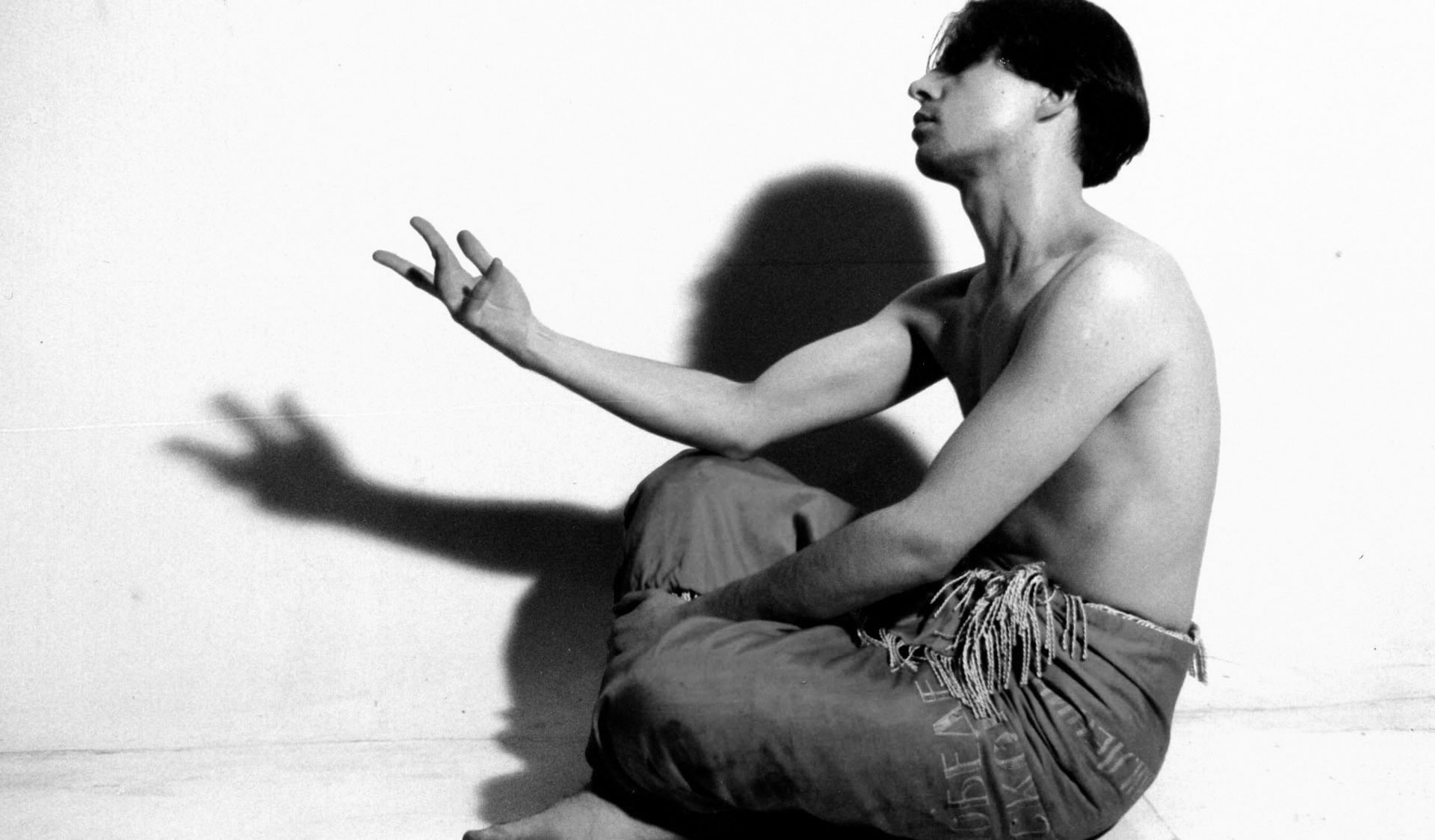
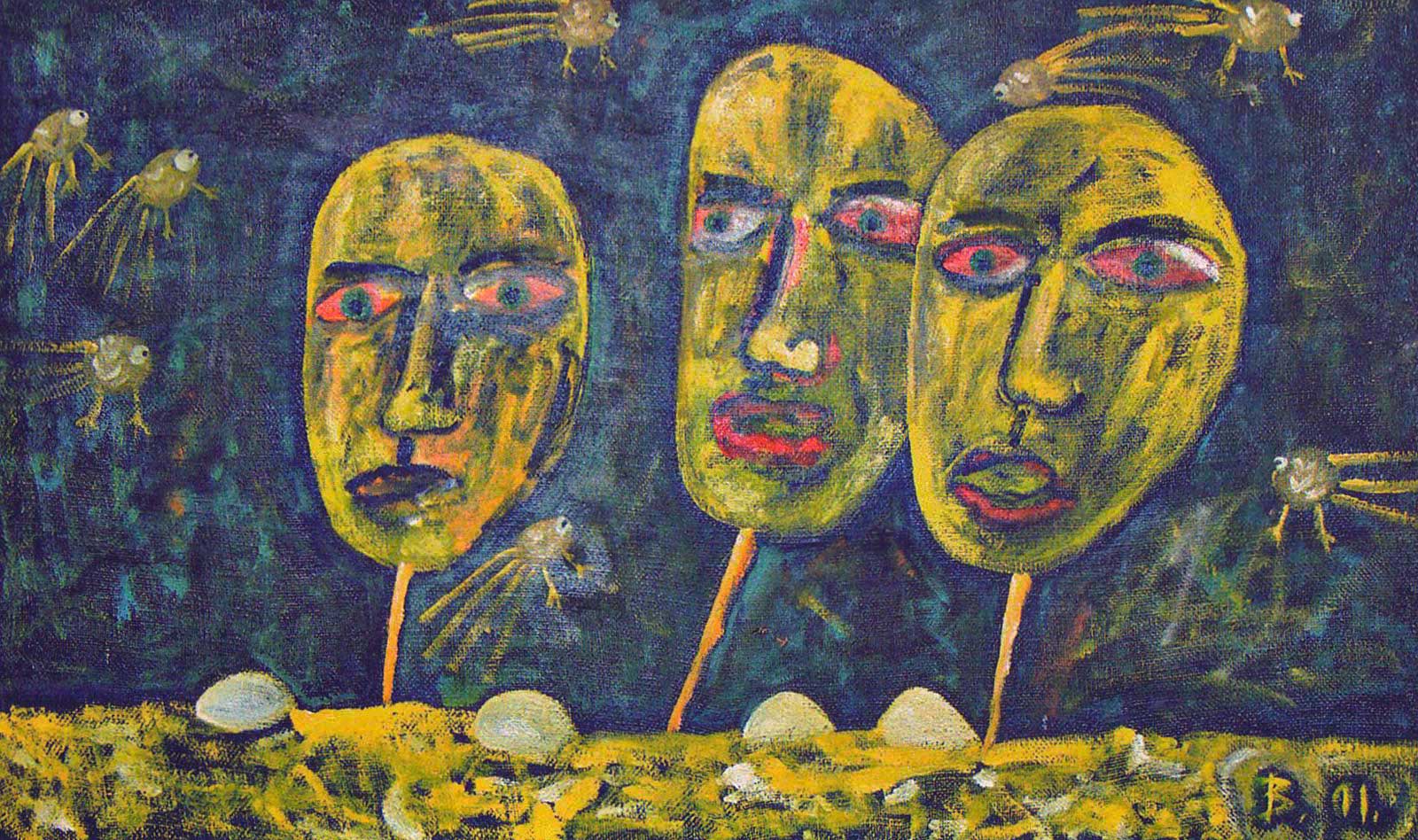
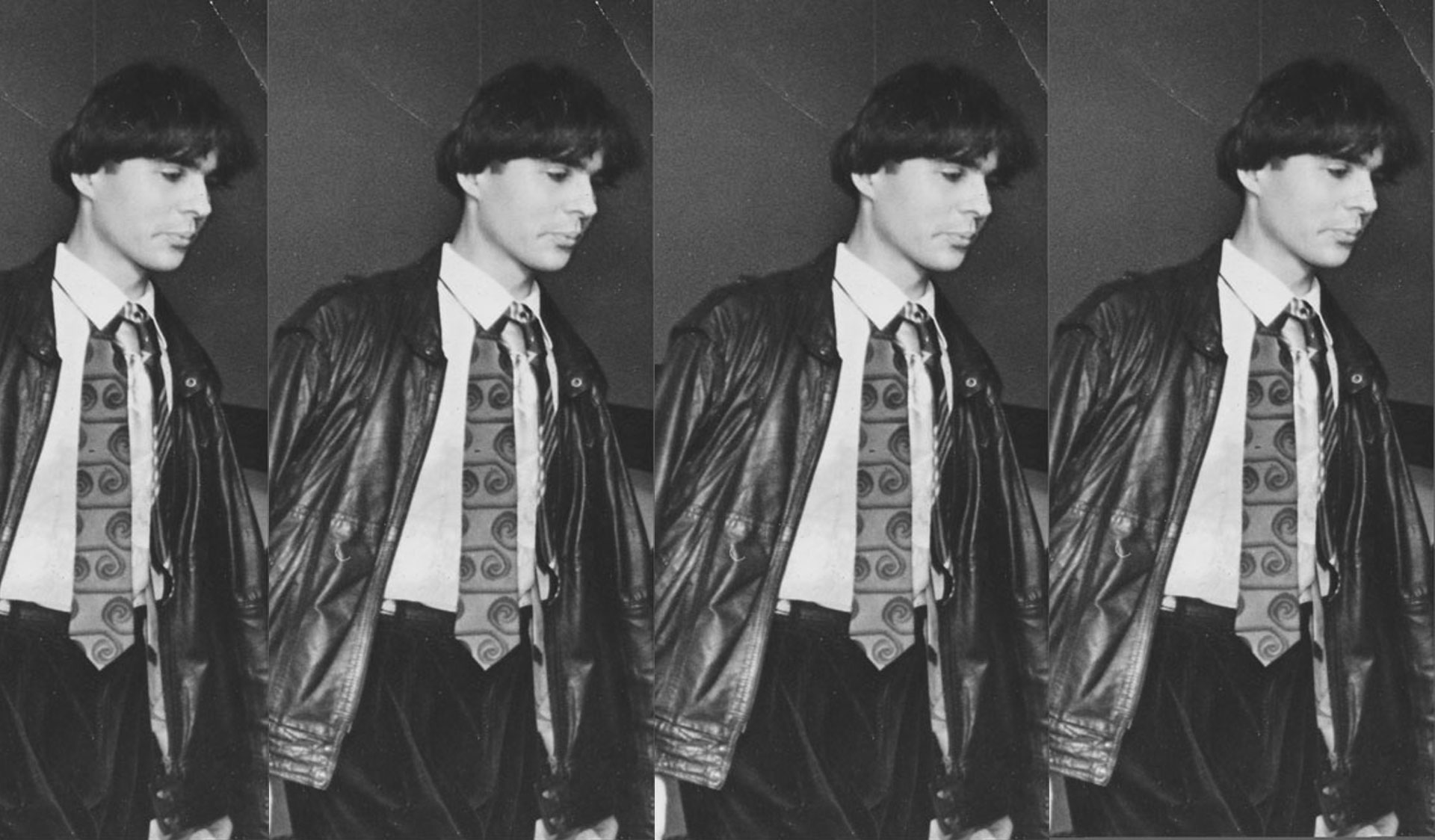
It all started in my childhood. Exactly. I had a head that was too big, and it was hard to keep it steady. I was tumbling all the time. That was the moment when an artist was being born. I looked at the world in a very strange way – I saw it overturned…

Zmicier Vishniou

Novel

“If You Look Closer – Mars is Blue”

2018. januskevic

This antinovel is an anthem to freedom. Parallel universes move like waves — in this substance, silhouettes emerge: Captain the Beard, Michael Crooked, Stalin, Don Quixote, Pinocchio, Carlson, gnomes, and secret devils. The writer maneuvers between being a trader, magician, and referee. He conducts an endless dialogue with his own head, having fun and floating in the outer space of his feelings.

Poetry

“Drunken Longboats”

2014. Kaucheh

The book consists of travel poems. The author plays a cunning game with words and images, listening to the ‘roar of train teeth’ while also ‘bubbling about freedom,’ provoking readers to construct fantastic landscapes. The overall atmosphere of this poetry collection is infused with a marine theme – barges, anchors, storms, flounders, and merry pirates…

Novel

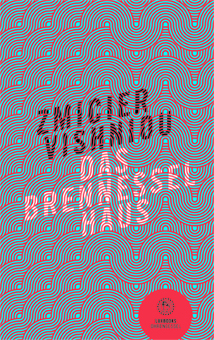
Das Brennessel-haus

2014. Luxboox (in German)

Novel

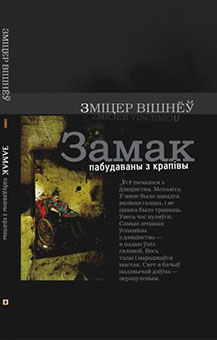
“The Castle Built from Nettle”

2010. Halijafy

The novel takes place in Germany, Belarus, Poland, Slovenia, Croatia, and Russia. Safa Burshtyn is a painter and writer who creates completely unfashionable socialist art. The protagonist is a prototype of the writer himself. The thirteen parts of the book are, on one hand, a compilation of personal notes, sketches, fairy tales, journalistic stories, and who knows what else; on the other hand, it is a complete text with a clear structure. This novel is a total postmodern game that is able to confuse and mock the reader. Quite often, the reader cannot discern where reality ends and fantasy begins. The novel may provoke indignation or admiration, but certainly not indifference.

Poetry

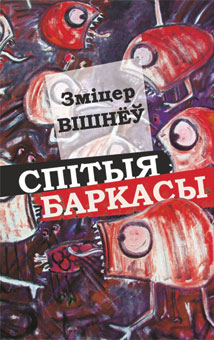
“The Rustle of Beetles“

2011. Halijafy

Zmicier Vishniou’s poems are characterized by a shift towards anti-aestheticism, a less commonplace aesthetic concept. However, at the same time, they are overwhelmed by Vishniou’s paradoxical romanticism. The author continues to poeticize his favorite African exoticism, which he interprets as a celebration of freedom in general.

Poetry

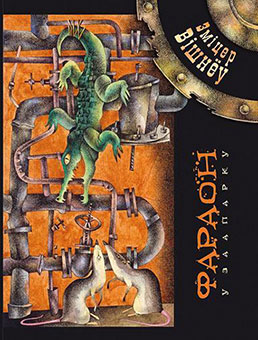
“Pharao in the Zoo“

2007. Lohvinau

Zmicier Vishniou is a prominent offbeat poet who refers to his postmodernist poems as ‘texts,’ a highly fitting description for Vishniou’s unique poetry. This collection comprises six parts, each disconnected from the others, yet all are cohesive and carry significant meaning. The writer articulates his understanding of the world. Vishniou has published several books of prose and poetry, with his poems translated into more than 20 languages. Vishniou is recognized as a member of the Bum-Bam-Lit artistic movement and a performer, but this is only one facet of his creativity.

Poetry

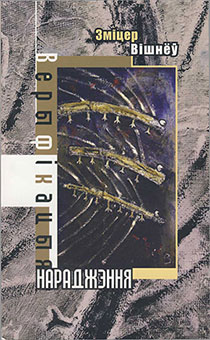
“Verification of Birth“

2005. Lohvinau

It’s now the year 2005. The literary movement “Tutejshyja” has become a thing of the past, “The Society of Free Writers” is barely breathing, the creative movement “Bum-Bam-Lit” is suffering from tuberculosis, the Union of Belarusian Writers is in a coma, and the community “Schmerzwerk” is hobbling on crutches… It seems no one is left… Nevertheless, literature lives and thrives. Jean-Luc Nancy argues that “people” are not an anonymous buzz of the crowd but rather vague and peculiar ghosts, an allusion to the voice, patterns of behavior, and sketches of feelings. After all, one should always focus not on the crowd but on individuals. The same should be true for literary critics as well. For ten years, from time to time, I have been engaged in critical exercises. Perhaps I was not dead serious all the time, but I was always sincere. For a writer, changing views is a difficult task; however, this is not always pernicious because without changes, everything looks too predictable and monochromatic.

Novel

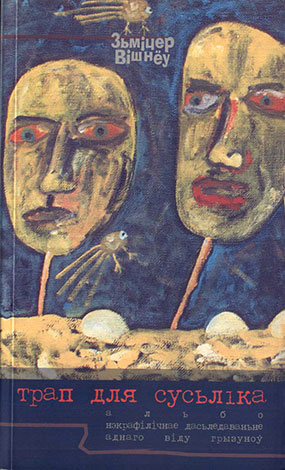
“Stair for a Gopher, or Necrophilic Study of one Species of Rodent”

2002. Lohvinau

The steamer sailed away, the plane took off, but the ladder was left behind. Its steps lack shoe soles and are scattered with cookie crumbs. However, the ladder, built by Vishniou, is not empty. It is inhabited by the writer’s friends and… by gophers – small pesky animals. These creatures fuss around, gnawing and grinding their teeth on our eyes and thoughts. It’s worth noting that the ladder is constructed from the writer’s associations related to his biography. Vishniou is a master at capturing associations. He saddles a wasp and, like a wasp, while flying over his painted room, he hunts for associations with a net, then sorts them on his table according to their gloss, color, and even smell. Afterward, he fries them on paper for a long time and pours them into the form of steps to create his ladder.

Poetry

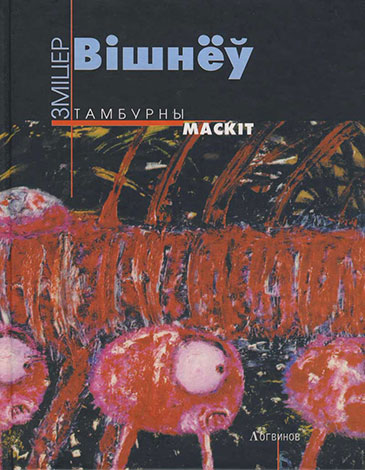
“Tamboor Mosquito”

2001. Невский проспект

In addition to poems and short stories, the new book by the Belarusian post-conceptualist Zmicier Vishniou includes diary notes, descriptions of performances, and visual artworks. The extraordinary creative approach to words and images, as well as the paradoxical perception of elementary things, has long been the most recognizable features of the author’s poetry. Balancing on the border of different artistic trends, the author creates his ‘Belarusian Africa,’ where it signifies not only outrage and aesthetic radicalism but also his philosophical vision of the world. A number of poems from this edition have been translated into Swedish, Finnish, French, Polish, Bulgarian, and other languages.

Poetry

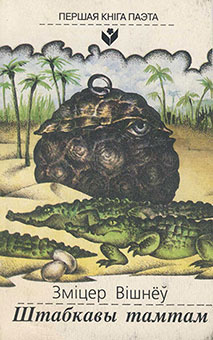
“Striped Tom-Tom”

1998. Мастацкая літаратура

While reading this book, a reader involuntarily imagines themselves in the middle of a noisy carnival, or in the impenetrable jungle, or in the sky flying on a hang glider, or in the ocean, or in a madhouse, or at a heart-stopping height before the abyss, where all plots, thoughts, sentences, and words end… By the way, you can read Zmicier Vishniou’s book in all the aforementioned places. It will even add a little spice to the experience.